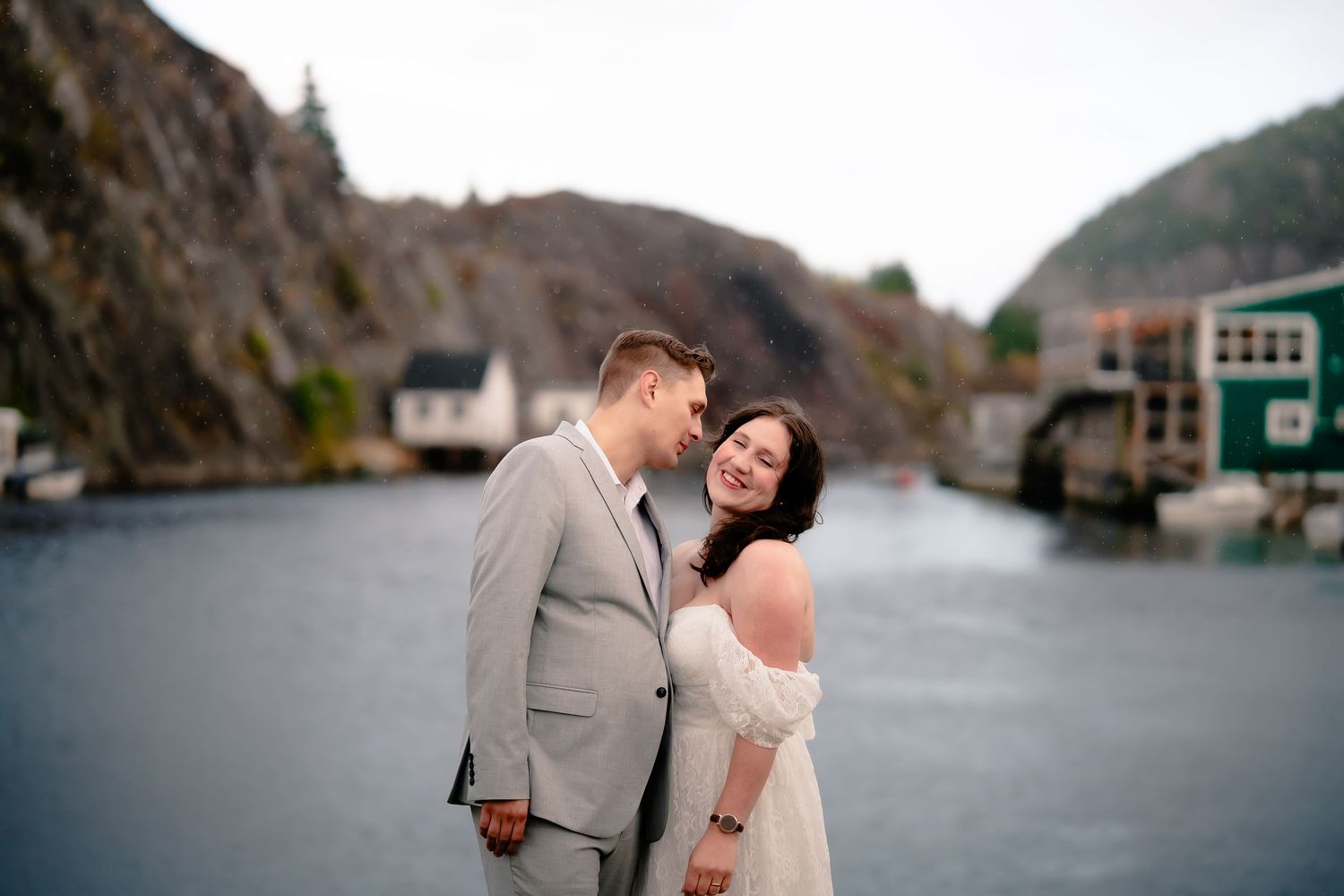
A full wedding day in Newfoundland — through the photographer's eyes
I've been photographing weddings in St. John's for fifteen years. Weddings are not the only thing I do, but they're the work I take most seriously.
I still feel nervous on wedding mornings. Not out of fear — out of respect. Respect for the couple who's trusting me with a day that won't happen again. That feeling hasn't gone away, and I don't want it to.
This is what a full wedding day looks like from where I'm standing.
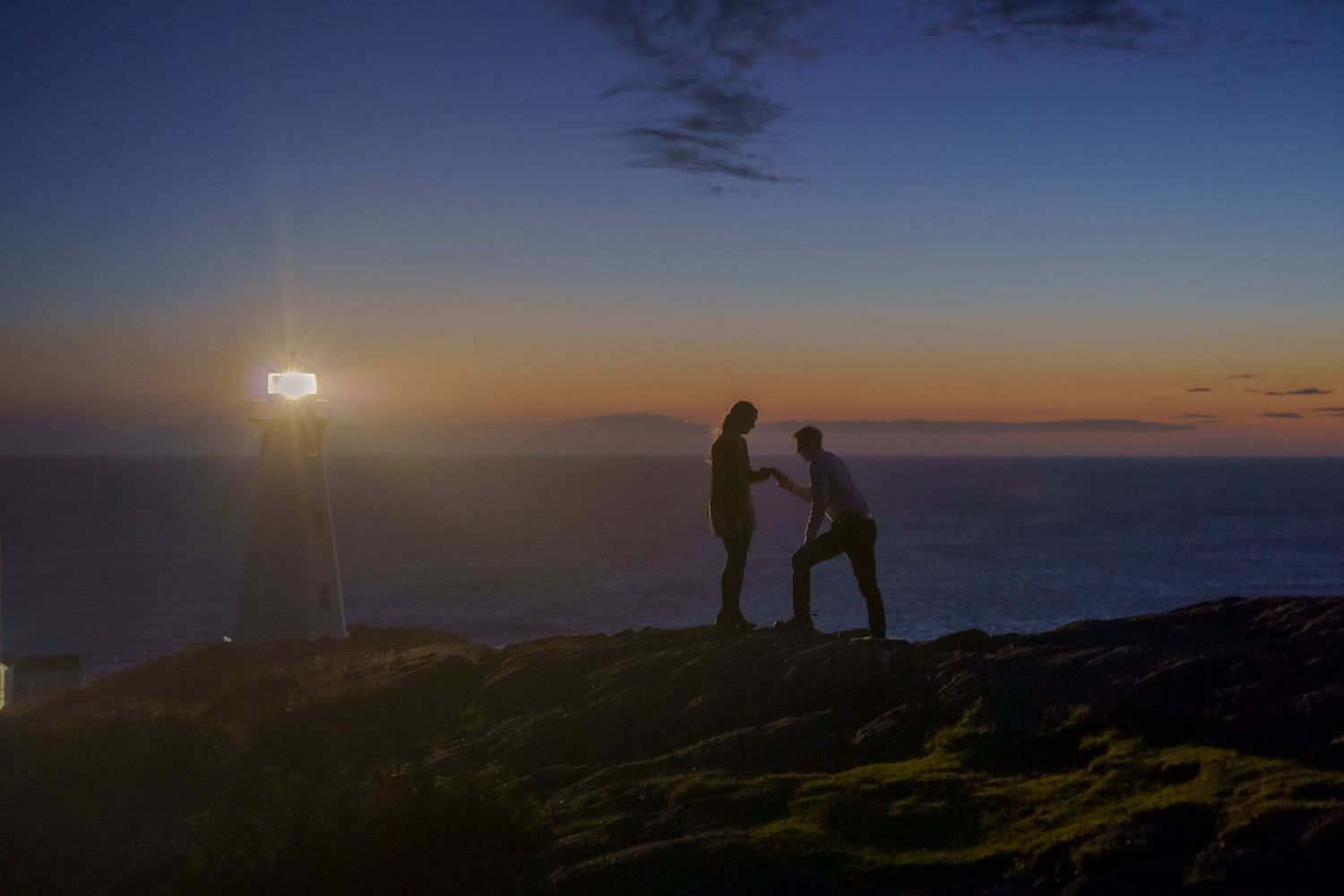
Before I Leave the House
The alarm goes off. Before I'm fully awake, my mind is already running through the day.
I make coffee, sit down in front of my camera bag, and go through everything:
- Two camera bodies — main and backup
- Multiple memory cards
- Six fully charged batteries
- 24–70mm, 70–200mm, and 50mm prime lens
- Flash and lighting gear
I close the bag. Then open it again. Then close it. I do this six or seven times before I finally walk out the door.
You can't redo a wedding day. There's no second take, no pause button. The preparation is the only thing I can control.
Morning — Getting Ready
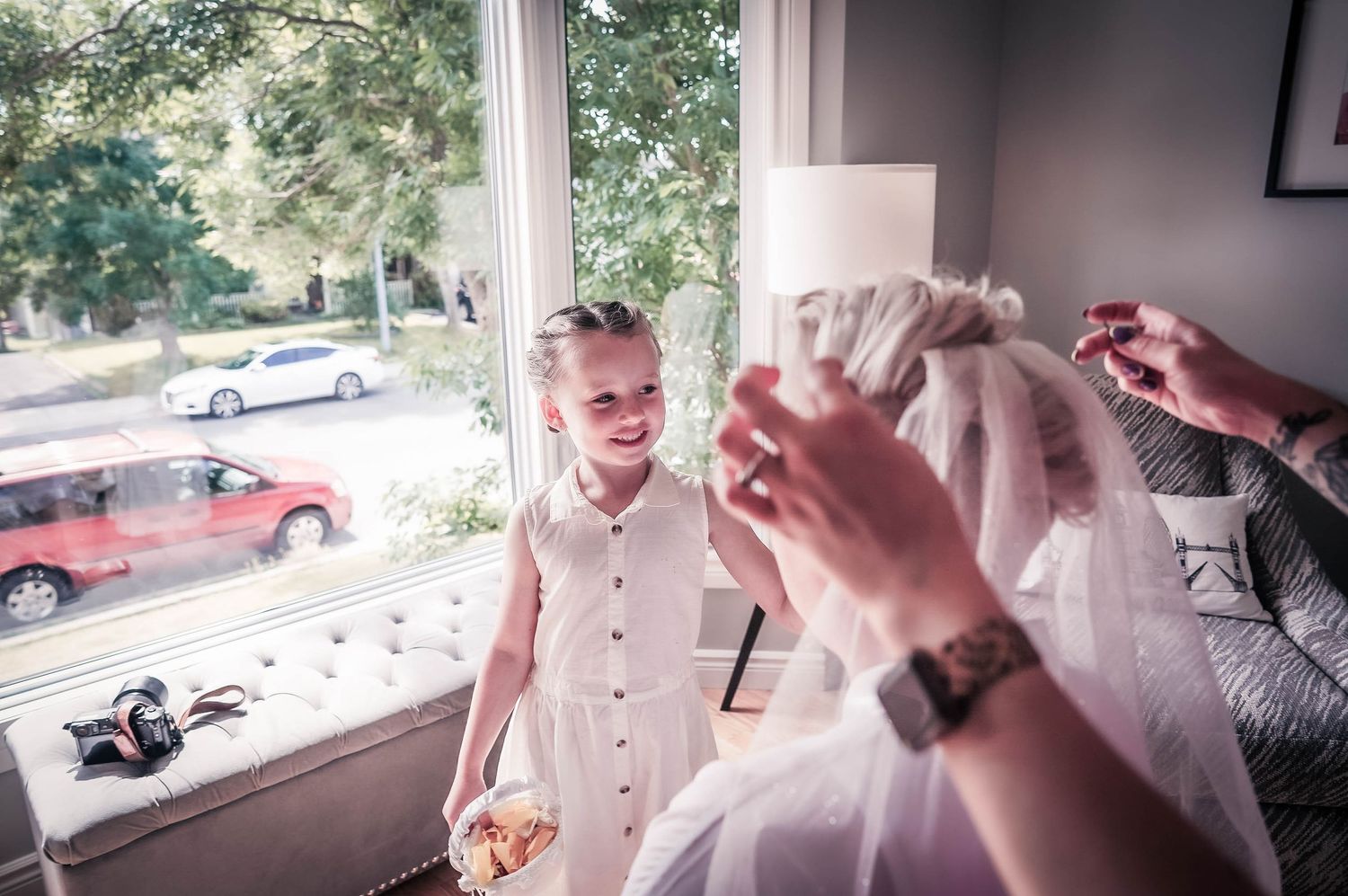
Most Newfoundland weddings start with bridal preparation. A hotel room, a family home, a small bridal suite — wherever it happens, the space has a particular energy. Excitement mixed with nerves. Everyone moving at once, but carefully.
Makeup brushes, a dress being fastened, the bride seeing herself in the mirror for the first time — these quiet moments become some of the most looked-at photos of the entire day.
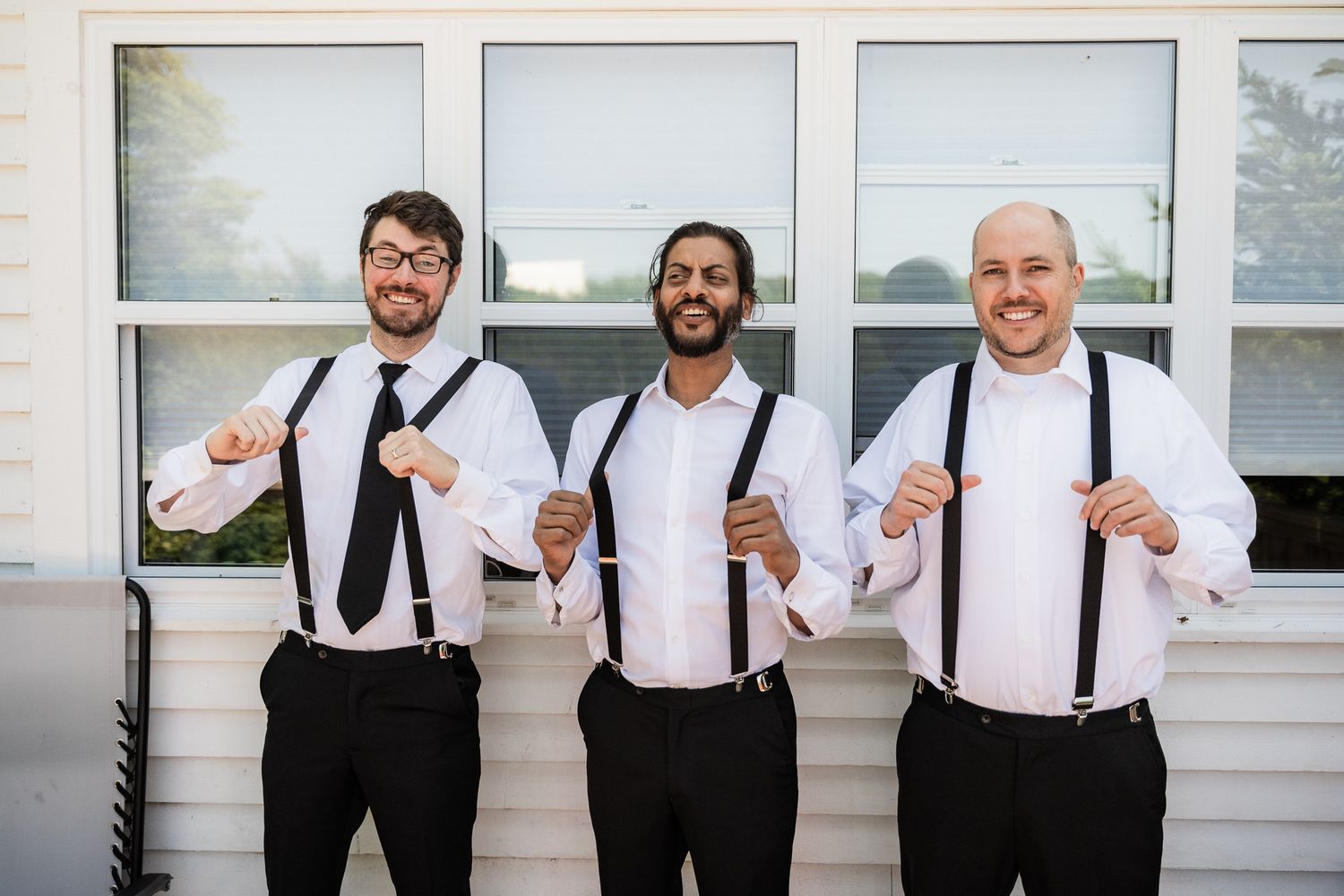
Groom prep is usually shorter, but the emotions are just as real. A tie being straightened, boutonnières being pinned, a laugh with friends before heading out. Simple gestures that say everything about where the day is going.
One thing that makes a difference: natural light. Bridal prep usually runs 2–3 hours, and a room with good windows creates portraits that no amount of flash can replicate.
Midday — The Ceremony
Ceremonies in Newfoundland take many forms. Cozy wooden churches, outdoor cliffsides, Signal Hill overlooks, historic venues downtown. The setting changes, but the moment doesn't.
When the bride walks down the aisle, the groom's expression is always different — and always the same. Hands held tight, voices reading vows, rings sliding onto fingers. It passes quickly. It holds a long time.
Ceremonies usually run 20–40 minutes. I move quietly, adjusting position to stay out of the way while staying inside the moment.
Afternoon — Location Shoot
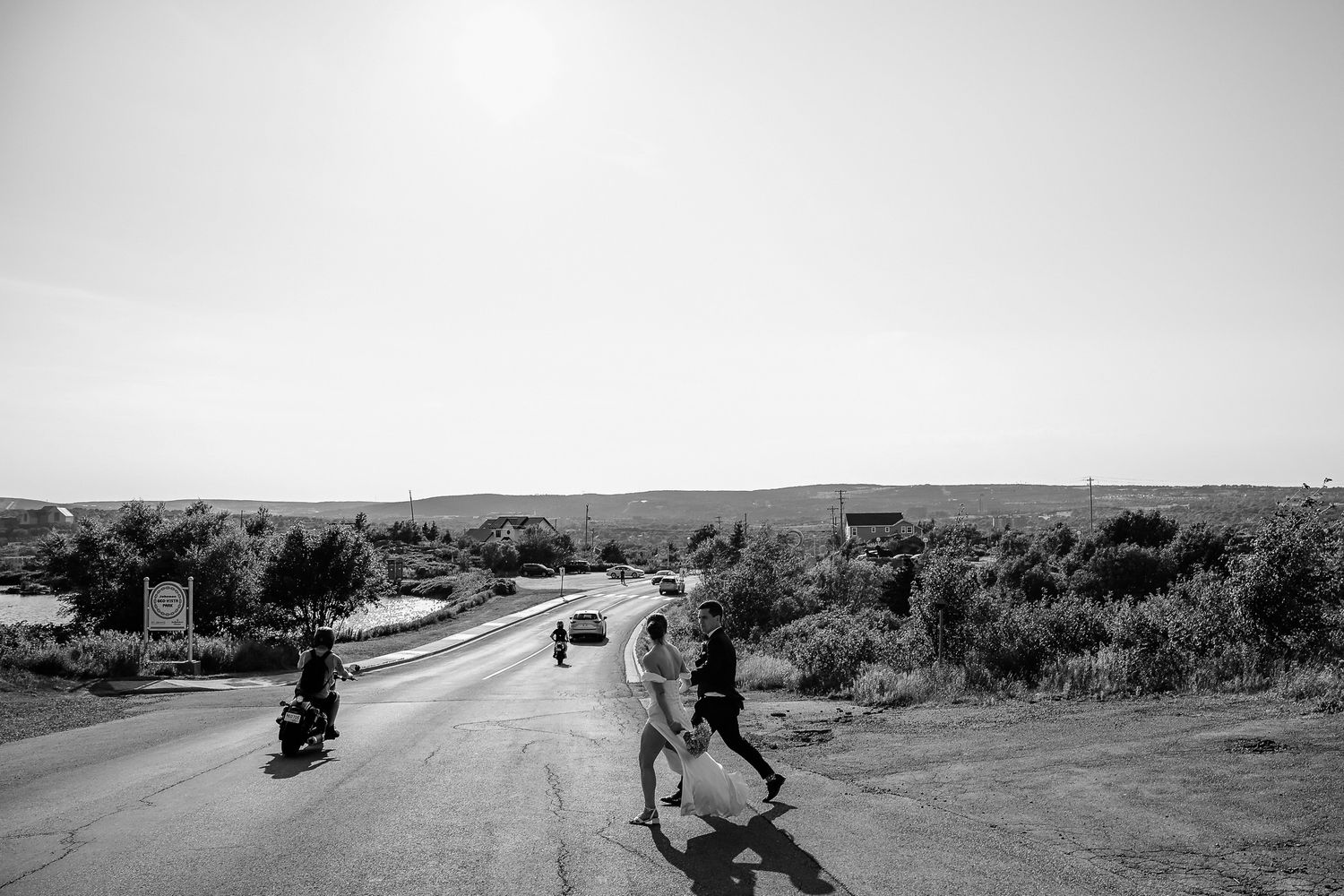
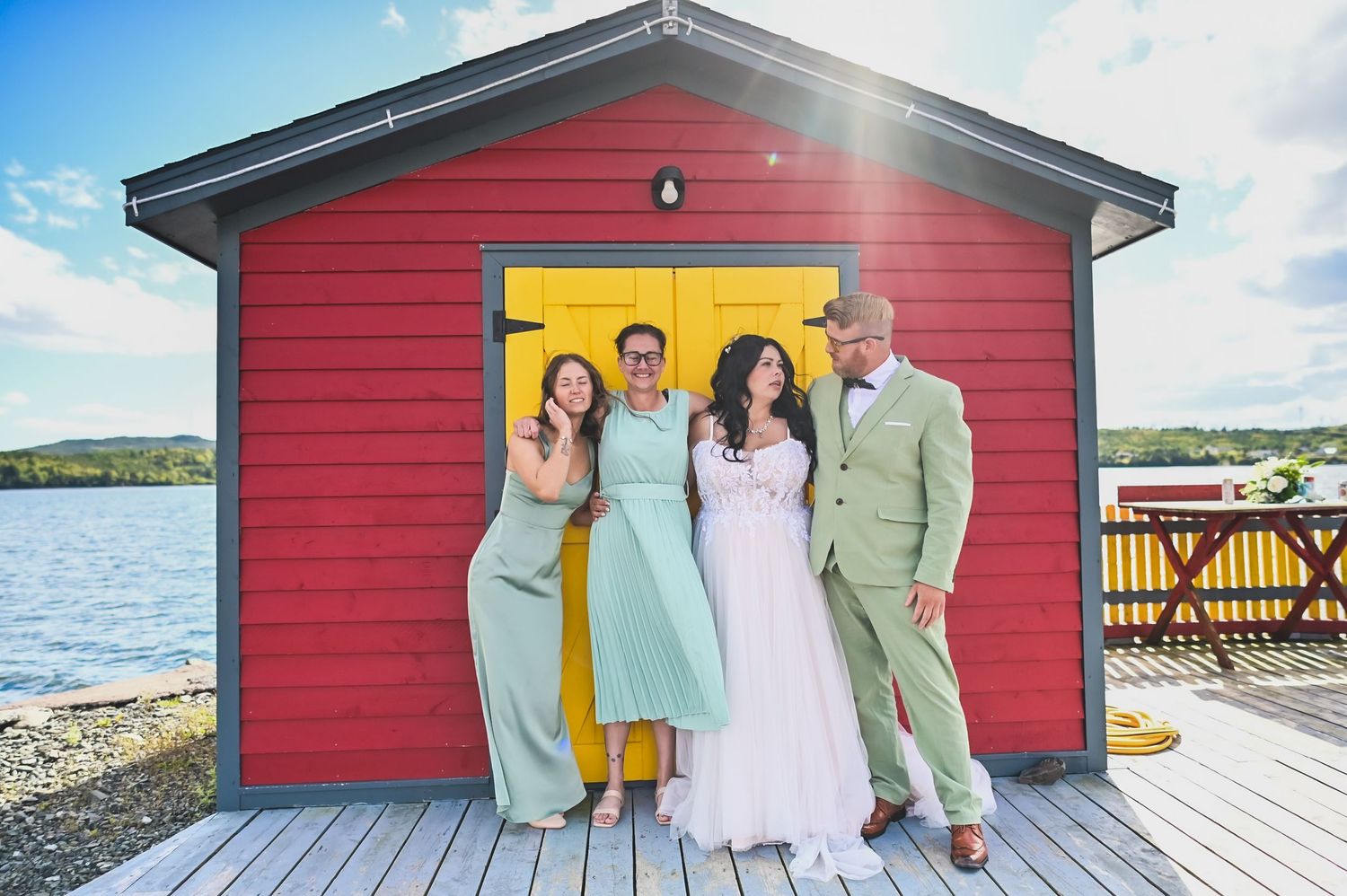
After the ceremony, we head out. This is where Newfoundland earns its reputation.
Fog, cliffs, wind, ocean — the landscape here doesn't need much help. What I'm looking for isn't a pose. It's a walk, a conversation, a moment where the couple forgets the camera is there. A veil caught by the wind. Fingers intertwined. Laughter on a trail.
The best photographs from this part of the day are almost never planned.
- For a full breakdown of locations: [Best Outdoor Wedding Photo Locations in St. John's]
Evening — Reception
This is one of my favourite parts.
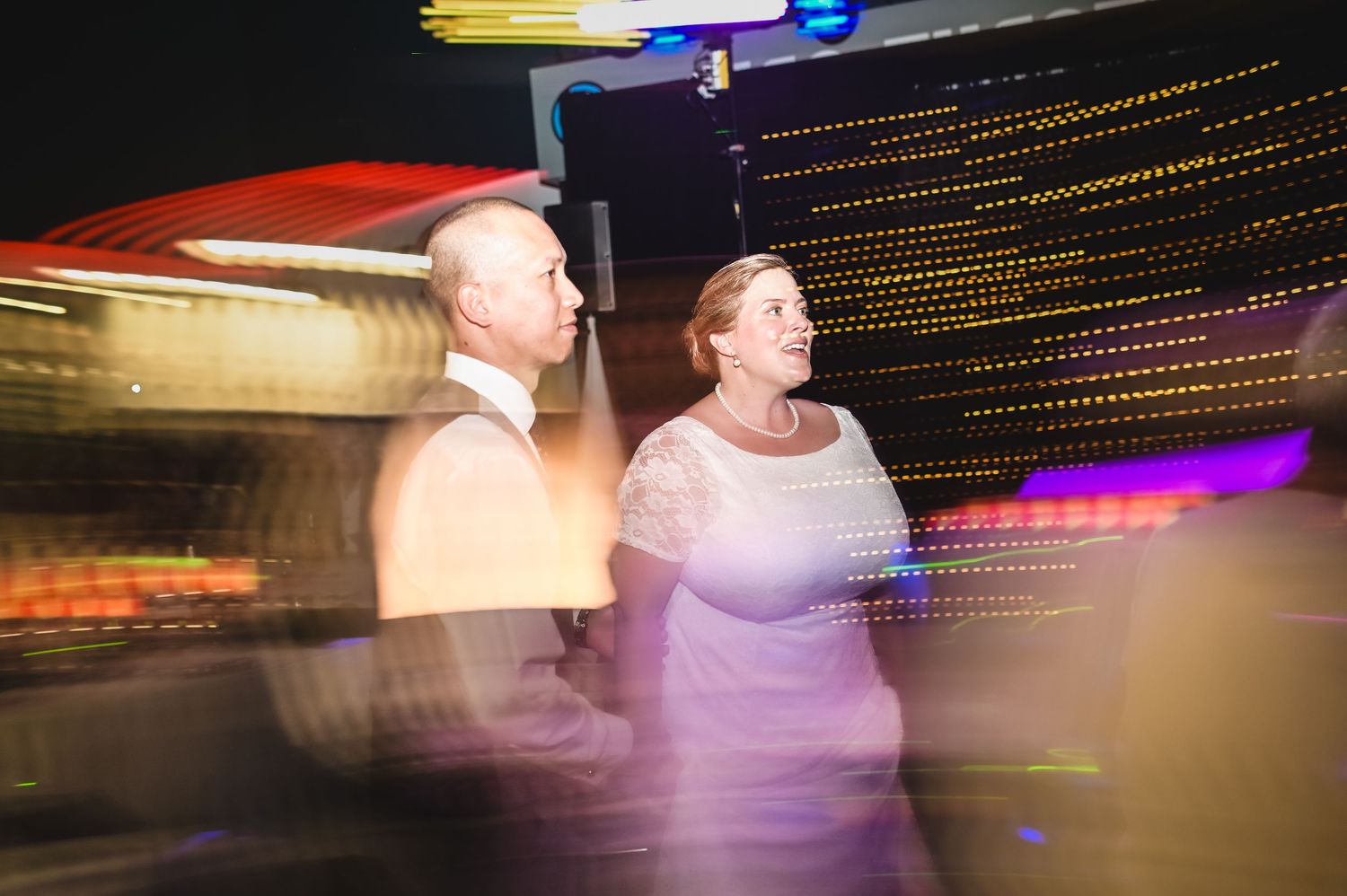
First dances, parent dances, cake cutting, speeches. And then the real party starts.
In a traditional Newfoundland bay wedding, everyone shows up. Kids dance with grandparents. Someone starts a cheer circle. Someone else sings. The room has a particular kind of energy that's hard to describe and easy to photograph — people fully present, not performing.
I move through the room quietly. The job at this point is not to direct anything. Just to be ready.
Late Night
After the last dance, I pack my gear and slip out.
Driving home through dark Newfoundland roads, I go through the day in my head. Did I get it? Most nights, the answer is yes. Not because everything went perfectly — it never does — but because the day was paid attention to.
That's the job.
Planning a Wedding in Newfoundland?
A wedding is a ritual. The most important one. If you're planning yours in St. John's or anywhere in Newfoundland, I'd like to hear about it.
Book a video call [Schedule a time →]